
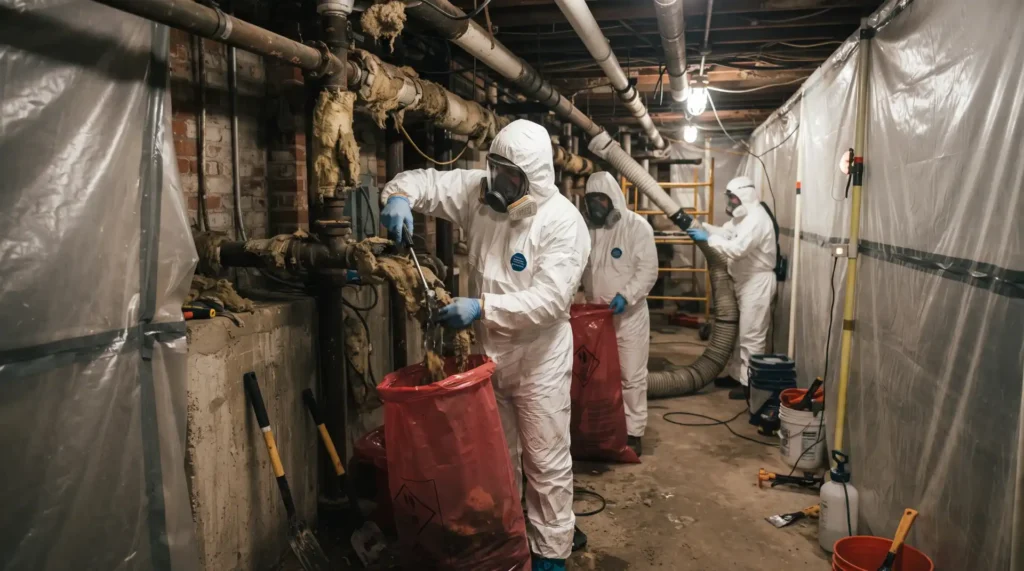
Asbestos regulation in the United States continues to change in 2026. The Environmental Protection Agency has already prohibited ongoing uses of chrysotile asbestos through a rule finalized in 2024, while federal regulators are also examining asbestos that remains in older buildings, equipment, construction materials, and other products.
For workers and families, the distinction matters. New restrictions on chrysotile asbestos address a limited number of ongoing commercial uses. A separate regulatory process focuses on legacy asbestos, meaning materials installed or manufactured decades ago that can still expose people when they are disturbed.
EPA determined in its Part 2 asbestos risk evaluation that disturbing and handling asbestos associated with legacy uses poses an unreasonable risk to human health. The agency is now gathering additional workplace and exposure data as it develops regulations addressing those older materials.
For people working in construction, demolition, maintenance, ship repair, manufacturing, building renovation, and related industries, asbestos therefore remains a modern occupational concern rather than only a historical problem.
What Changed Under the EPA Chrysotile Asbestos Rule?
EPA finalized its chrysotile asbestos risk management rule in March 2024 under the Toxic Substances Control Act, commonly known as TSCA.
Chrysotile is one type of asbestos and was the only type known to still be imported, processed, or distributed for ongoing commercial use in the United States when EPA evaluated it.
EPA’s earlier risk evaluation identified unreasonable risks associated with ongoing chrysotile asbestos uses. Those risks involved workers, other employees working near asbestos activities, consumers, and bystanders.
The 2024 rule prohibits ongoing uses of chrysotile asbestos according to different transition periods. Those periods depend on the particular product or industrial application.
EPA identified applications that historically included asbestos diaphragms used in the chlor-alkali industry, sheet gaskets, oilfield brake blocks, aftermarket automotive brakes and linings, other vehicle friction products, and certain other gaskets.
The rule did not simply establish a single date on which every asbestos-containing material in America became illegal. Instead, the regulatory framework uses different compliance periods for specific remaining commercial uses.
That distinction is particularly relevant when discussing asbestos exposure today. A ban on ongoing commercial uses does not remove asbestos that was installed in millions of American buildings, ships, industrial facilities, homes, mechanical systems, and products decades ago.
More information about the current federal rule is available through the U.S. Environmental Protection Agency’s Risk Management for Asbestos Part 1 resource.
The EPA Rule Does Not Mean All Asbestos Has Disappeared
One of the most common misunderstandings surrounding recent federal asbestos regulation is that the United States has suddenly become free of asbestos-containing materials.
That is not the case.
Older materials remain one of the central concerns facing regulators in 2026.
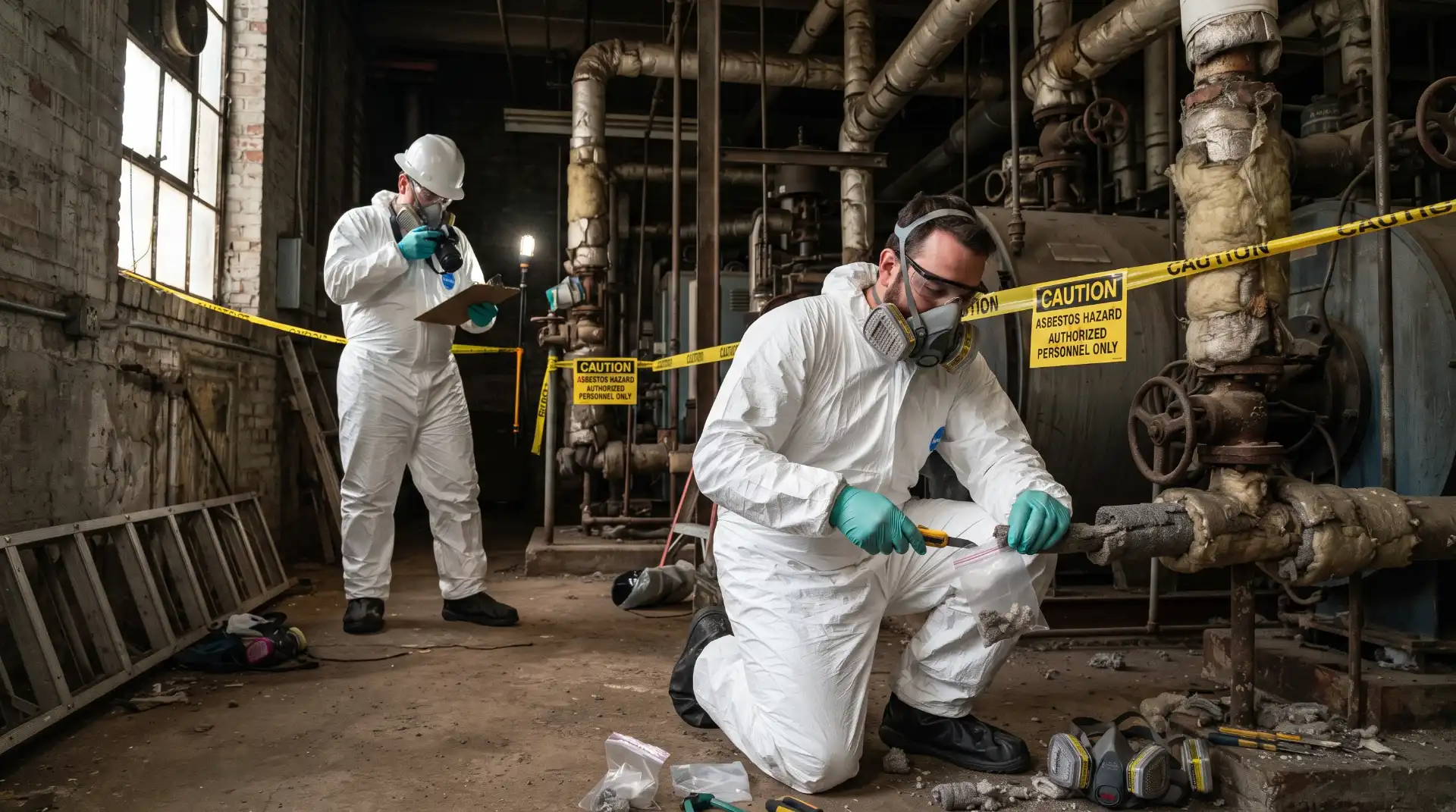
Asbestos was widely incorporated into American construction and industrial products because of its resistance to heat, fire, and chemicals. It could be incorporated into insulation, floor materials, ceiling materials, cement products, pipe coverings, gaskets, mechanical components, roofing materials, and other products.
These materials may remain in place decades after installation.
EPA refers to many of these applications as legacy uses. In general, these are uses for which manufacturing, processing, or commercial distribution has ended, while the asbestos-containing material itself remains present and may later be handled, disturbed, removed, or disposed of.
Examples include older floor and ceiling tiles, pipe wrap, insulation, and certain other building materials.
This means a construction worker renovating a decades-old building may encounter asbestos even though no new asbestos product was recently installed.
The same issue may affect maintenance employees, electricians, plumbers, demolition crews, shipyard workers, building owners, contractors, and people performing repairs.
EPA’s Part 2 Asbestos Evaluation Focuses on Legacy Exposure
EPA’s regulation of asbestos is being addressed through two major parts.
Part 1 examined ongoing uses of chrysotile asbestos.
Part 2 examines legacy uses, associated disposal, additional asbestos fiber types, and asbestos-containing talc.
EPA released its final Part 2 risk evaluation in November 2024. The evaluation considered chrysotile, crocidolite, amosite, anthophyllite, tremolite, actinolite, Libby Amphibole Asbestos, and relevant conditions involving asbestos-containing talc.
The agency determined that disturbing and handling asbestos associated with legacy uses significantly contributes to the unreasonable risk presented by asbestos.
That conclusion places considerable attention on activities involving older materials.
Renovation, demolition, repair, maintenance, sanding, cutting, grinding, removal, and disposal can disturb asbestos-containing products and potentially release fibers into the surrounding air.
EPA has noted that workers performing activities such as regularly cutting, sanding, or grinding asbestos-containing materials may experience particularly significant exposure potential.
What Is Happening With Legacy Asbestos Rules in 2026?
The Part 2 process is an important asbestos regulatory development to watch during 2026.
EPA announced in June 2026 that it is seeking additional information about legacy asbestos exposure before proposing its Part 2 risk management rule.
The agency is requesting information concerning activities that disturb asbestos-containing materials, including work performed by self-employed individuals. EPA is also seeking information concerning legacy construction materials, exposure frequency, air sampling methods, laboratory capabilities, and the economic effects of possible regulatory approaches.
EPA currently plans to propose its Part 2 asbestos risk management rule by June 3, 2027.
Public responses to the agency’s 2026 information request are being accepted through August 24, 2026.
This means 2026 represents an important information-gathering period rather than the completion of the federal legacy asbestos regulatory process.
For workers and employers, existing OSHA asbestos requirements remain highly relevant during this period.
Why Older Buildings Remain a Major Concern
Legacy asbestos creates a different type of challenge from newly manufactured asbestos products.
An asbestos-containing product installed decades ago may remain relatively stable for years. The potential for exposure may change when that material deteriorates or becomes disturbed.
EPA specifically notes that asbestos-containing material left intact and undisturbed does not automatically create the same exposure conditions as material that is cut, damaged, sanded, drilled, demolished, or removed.
This distinction matters in older American buildings.
A building may undergo multiple renovations throughout its life. New walls, flooring, electrical systems, plumbing, heating equipment, or finishes may conceal materials installed much earlier.
Workers entering the property may therefore encounter substances that were placed there before modern asbestos restrictions existed.
Renovation planning becomes particularly significant when structures contain older insulation, flooring, pipe coverings, ceiling materials, cement products, mechanical components, or other materials historically associated with asbestos.
Workers Who May Still Encounter Asbestos
Many asbestos discussions focus on industrial occupations from the twentieth century. Historical exposure remains extremely relevant because diseases associated with asbestos can develop many years after exposure.
Modern workers may also encounter legacy materials.
Construction employees may disturb old building products during remodeling or demolition. Electricians can work behind walls or around older electrical installations. Plumbers and pipefitters may encounter historical pipe insulation, gaskets, boilers, and mechanical systems.
Maintenance employees can enter spaces containing aging building materials. HVAC workers may perform repairs near insulated equipment and pipes. Demolition crews may disturb multiple materials during structural removal.
Shipyard employment is another important area.
OSHA maintains a specific asbestos standard for shipyard employment. The standard applies to activities that can include demolition or salvage of vessels containing asbestos, asbestos removal or encapsulation, vessel repair and renovation, cleanup, disposal, storage, and related work.
For a San Diego audience, the continuing relevance of shipyard safety deserves particular attention because the region has a substantial naval, maritime, and ship repair economy.
Workers do not need to manufacture asbestos products themselves to encounter a potential hazard. Their work may involve materials installed by previous generations of workers.
OSHA Rules Still Protect Workers From Occupational Asbestos Exposure
EPA and OSHA perform different regulatory roles.
EPA regulates asbestos through environmental and chemical laws, including TSCA. OSHA focuses heavily on workplace exposure.
OSHA has asbestos standards covering general industry, construction, and shipyard employment.
The agency states that employers must use measures such as exposure monitoring, worker training, regulated areas, engineering controls, appropriate work practices, and protective equipment when applicable.
OSHA also maintains permissible exposure limits for occupational asbestos.
Hazard communication plays another significant role. Employees working around materials that may contain asbestos need information about those hazards and appropriate workplace procedures.
Certain older installed materials may need to be treated as presumed asbestos-containing material unless appropriate evaluation establishes otherwise.
Employers and building owners therefore play an important role in communicating known information about asbestos-containing materials before workers begin tasks that might disturb them.
Workers can review the Occupational Safety and Health Administration asbestos guidance for information about federal occupational asbestos standards.
What EPA’s 2026 Activity Means for Families
Asbestos regulation is not limited to employees working directly with industrial materials.
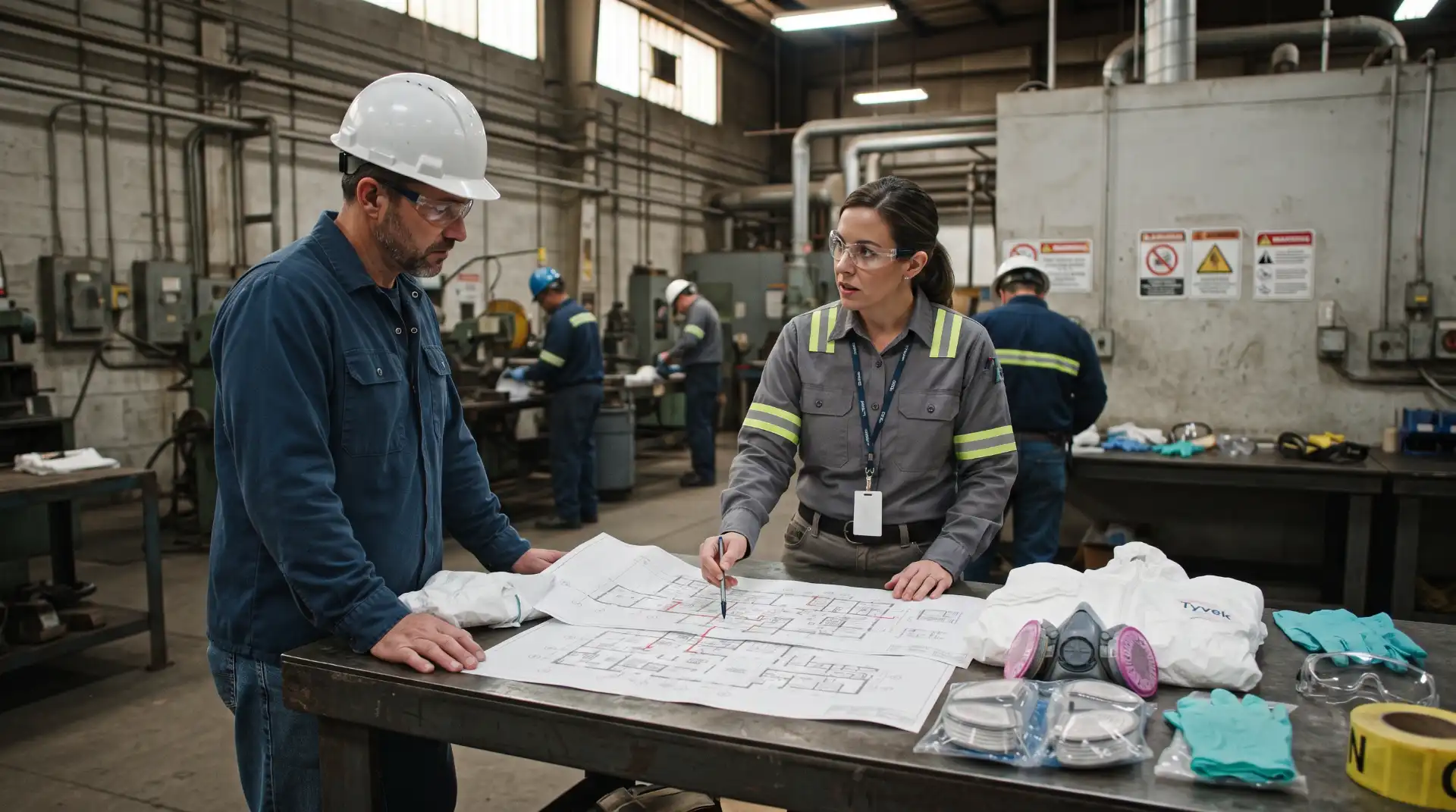
Family exposure can become relevant when asbestos fibers leave a worksite on contaminated clothing, footwear, equipment, tools, or other items.
Historically, some family members encountered asbestos when workers returned home wearing dusty work clothing. This type of exposure is commonly described as secondary or take-home exposure.
Modern workplace practices are intended to limit hazardous contamination, but understanding historical household exposure may still matter when evaluating a person’s exposure history.
Families renovating older homes can face another issue.
Many homeowners may not know which products inside an older property contain asbestos based on appearance alone. Removing old flooring, opening walls, replacing insulation, repairing pipes, or demolishing sections of a structure could disturb materials that have remained in place for decades.
EPA’s Part 2 evaluation highlights this legacy-material issue.
The agency’s findings do not mean every older house contains dangerous airborne asbestos. The condition of the material and whether it becomes disturbed are significant considerations.
Homeowners planning substantial renovation of older properties may consider appropriate professional evaluation when suspect materials are present rather than disturbing unidentified material themselves.
Why Asbestos Exposure Remains Relevant to Mesothelioma
Mesothelioma is strongly associated with asbestos exposure.
The disease can affect the tissue surrounding the lungs and other areas of the body. One reason asbestos-related diseases remain relevant decades after major industrial uses declined is their long latency period.
Symptoms may emerge many years after the original exposure occurred.
A person diagnosed today might need to reconstruct events from employment that occurred decades earlier.
That process may involve reviewing job history, military service, construction work, shipyard employment, industrial facilities, products handled at work, coworkers, union information, residences, and potential household exposure.
For this reason, changing asbestos regulations do not eliminate the significance of historical exposure.
The 2026 regulatory conversation addresses both sides of the issue. Federal agencies are reducing remaining ongoing uses while also examining the large amount of asbestos that still exists as a legacy of earlier decades.
Readers seeking additional background about asbestos-related disease and exposure can explore the mesothelioma and asbestos resources available through SanDiegoMesotheliomaLawyer.net.
Does the 2024 Ban Affect Past Asbestos Exposure Claims?
A new environmental regulation does not change what happened decades earlier.
Someone exposed to asbestos in a shipyard, construction project, industrial facility, military setting, automotive workplace, or another environment may have encountered products long before EPA adopted its current chrysotile rule.
Historical exposure questions generally depend on the circumstances surrounding the person’s work and other environments.
Relevant information may include the type of work performed, years of employment, locations, products or materials used, employers, contractors, military assignments, coworkers, and other potential sources of asbestos.
The present regulatory status of a product is therefore different from the historical question of whether an individual encountered asbestos years earlier.
This distinction can be particularly important for people recently diagnosed with mesothelioma or another asbestos-related condition.
Asbestos in Construction and Renovation
EPA’s growing focus on legacy asbestos makes construction and renovation particularly important subjects in 2026.
The problem is not necessarily the existence of a sealed historical material alone. Exposure becomes a greater concern when activities release fibers.
Imagine an older commercial building undergoing extensive renovation. Contractors remove walls, ceiling systems, mechanical equipment, flooring, pipes, and insulation.
Without appropriate identification and controls, workers could disturb materials installed decades earlier.
EPA’s Part 2 evaluation specifically addresses activities involving legacy materials, while OSHA’s construction asbestos standard establishes workplace requirements covering asbestos-related construction work.
Demolition projects can create similar issues because multiple building components may become disturbed during a short period.
Property age, renovation history, building records, inspections, and material testing can therefore become relevant to planning.
Shipyards and Maritime Workers Face Unique Asbestos Issues
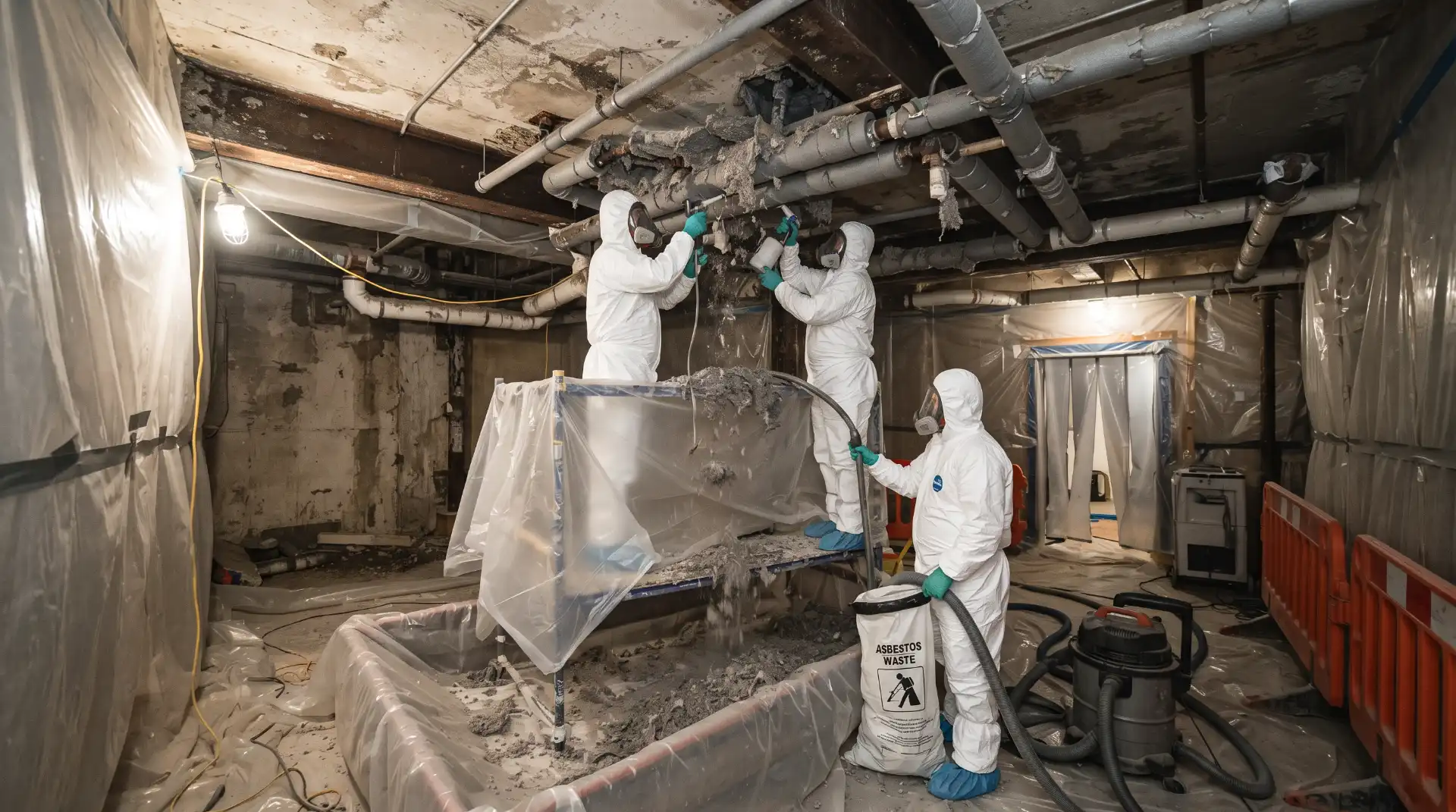
Shipbuilding and repair have a long history of asbestos use.
Older vessels may contain asbestos around pipes, boilers, machinery, insulation, gaskets, bulkheads, deck materials, and other components.
A modern worker repairing an older vessel can therefore encounter materials installed before current regulatory requirements existed.
OSHA’s shipyard asbestos regulation specifically covers demolition, salvage, removal, encapsulation, repair, maintenance, renovation, cleanup, transportation, disposal, storage, and related asbestos activities.
For San Diego workers, the issue has particular historical relevance because the local economy includes naval operations, ship maintenance, repair facilities, contractors, and maritime industries.
Retired workers may also be reviewing occupational histories from periods when asbestos-containing materials were much more common.
An accurate history can include employers, job titles, vessels, facilities, trade work, years of employment, work areas, products, and coworkers.
What Employers and Property Owners Should Understand
EPA’s current regulatory activity reinforces the importance of knowing where legacy asbestos may remain.
Employers should not assume that asbestos hazards disappeared simply because the use of asbestos declined.
Older facilities may contain materials installed decades earlier. Building owners may possess records concerning renovations, previous asbestos surveys, abatement projects, insulation, flooring, or other materials.
Communication of this information can be particularly relevant before repair or demolition.
OSHA requirements vary according to the type of work being performed, but federal asbestos standards address hazard communication, exposure monitoring, regulated areas, training, engineering controls, work practices, and respiratory protection under applicable circumstances.
The presence of older materials therefore creates both a workplace safety issue and a planning issue.
Identifying potential hazards before work begins can reduce the possibility of unexpected disturbance during a project.
What Workers Can Pay Attention to in 2026
Workers involved in older buildings, industrial plants, maritime environments, or mechanical systems can remain attentive to asbestos-related workplace procedures.
Training, hazard communication, workplace surveys, exposure monitoring, containment methods, regulated work areas, and protective equipment may all form part of an employer’s approach depending on the activity.
Employees can also pay attention to information regarding the age and history of the building or equipment where work takes place.
A worker who believes unidentified material has been disturbed can document relevant details about the project, the location, work performed, employer, contractors, dates, materials involved, and safety procedures.
These records may later help provide a clearer occupational history.
What Families Can Learn From the 2026 EPA Changes
For families, the most useful lesson from EPA’s current work may be that asbestos is both a historical and modern issue.
Federal action has substantially restricted remaining commercial uses of chrysotile asbestos, but large amounts of older asbestos-containing material still exist.
A home, workplace, school, vessel, or commercial building constructed decades ago does not automatically present an exposure problem simply because an asbestos-containing material exists somewhere inside it.
The condition and disturbance of the material matter.
Renovation, demolition, repair, deterioration, cutting, drilling, sanding, and removal can change the circumstances by allowing fibers to enter the air.
Understanding this distinction can help families interpret news about the EPA asbestos ban more accurately.
What Comes Next for EPA Asbestos Regulation?
The next major federal development concerns Part 2 and legacy asbestos.
EPA is using 2026 to collect additional information about real-world exposure from older asbestos-containing materials.
The agency is interested in who encounters these materials, what activities disturb them, how frequently exposure occurs, available monitoring methods, laboratory capacity, and the potential costs associated with regulatory options.
The current deadline for EPA to issue a proposed Part 2 risk management rule is June 3, 2027.
The final shape of that proposal remains under development.
Workers, employers, building owners, contractors, environmental professionals, labor organizations, and families should therefore distinguish between rules already in effect and future rules still being developed.
The chrysotile asbestos rule is already part of the federal regulatory landscape.
Legacy asbestos risk management is the next major area to watch.
The Bigger Picture for Workers and Families
EPA asbestos rules in 2026 reflect a broader shift in federal policy.
Regulators are no longer focusing only on the small number of asbestos products that remained in ongoing commerce. They are also examining the enormous legacy of asbestos-containing materials installed across the United States during previous decades.
That shift matters because the people encountering asbestos today may not work in an industry that actively uses the mineral.
They might be a demolition worker removing an old wall, an electrician opening a ceiling, a plumber working beside old pipe insulation, a shipyard employee maintaining an aging vessel, or a homeowner renovating an older property.
For families affected by mesothelioma, these developments also highlight why a detailed exposure history remains relevant.
An asbestos-related diagnosis in 2026 may connect to work or household circumstances that occurred many years earlier.
EPA’s continuing regulatory work acknowledges that the asbestos problem has two dimensions. Remaining ongoing commercial uses are being phased out, while legacy materials require a separate approach because they remain embedded in America’s buildings, infrastructure, vessels, equipment, and historical products.
Understanding both sides provides a clearer picture of what the EPA asbestos rules in 2026 actually mean for American workers and families.