
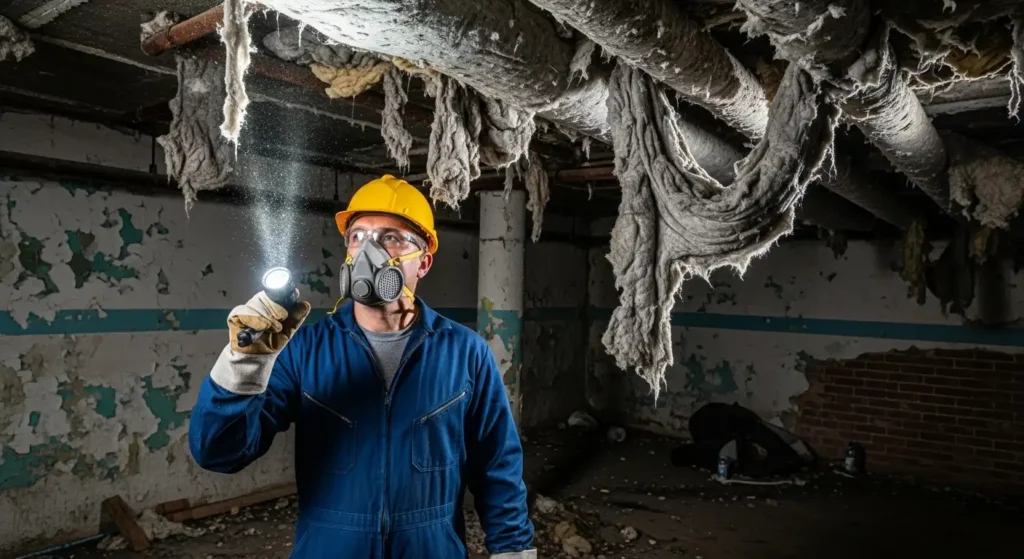
Mesothelioma and other asbestos-related diseases continue to affect thousands of people across the United States each year. In 2024, new federal asbestos regulations marked a significant shift in how the government addresses ongoing exposure risks. While these laws aim to limit future use, many victims still face the long-term effects of past exposure.
Understanding how these new asbestos ban laws work and what they mean for victims can help clarify both current risks and available legal options.
Understanding the New Asbestos Ban in the United States
In March 2024, the U.S. Environmental Protection Agency finalized a rule that bans the ongoing use of chrysotile asbestos, the only form of asbestos still used in the country. This action falls under the updated Toxic Substances Control Act, which allows the EPA to regulate harmful chemicals more aggressively.
Chrysotile asbestos had continued to be used in specific industries, particularly in chemical production and automotive parts. The new rule aims to eliminate these uses over time.
Why This Ban Matters
Asbestos exposure has been directly linked to serious illnesses such as mesothelioma, lung cancer, and asbestosis. These conditions often develop years after exposure, making early detection difficult.
The Centers for Disease Control and Prevention has reported thousands of asbestos-related deaths annually in the United States. Many of these cases stem from exposure that occurred decades ago.
By restricting the remaining uses of asbestos, the new law aims to reduce future exposure and limit long-term health risks.
What the New Law Covers
The 2024 asbestos rule focuses specifically on chrysotile asbestos. It restricts the import, processing, and use of this material in several applications, including:
- Automotive brake components
- Industrial gaskets
- Chemical manufacturing processes
Companies that previously relied on asbestos must now transition to safer alternatives.
However, the rule does not eliminate all asbestos-related risks.
Phase-Out Timeline and Industry Impact
The asbestos ban does not take effect all at once. Instead, it includes phased compliance timelines that vary by industry.
Some sectors must comply within a few months, while others may have several years to fully transition away from asbestos. In certain cases, the timeline may extend up to a decade or more.
This gradual phase-out means that asbestos may still be present in some workplaces during the transition period.
Legal challenges and regulatory reviews may also affect how quickly the ban is enforced.
 Is Asbestos Completely Banned in the US
Despite recent progress, asbestos is not fully banned in the United States.
The current rule applies only to chrysotile asbestos and specific uses. Other forms of asbestos are not actively used but may still exist in older materials and products.
Millions of homes, schools, and buildings constructed before the 1980s may still contain asbestos in insulation, flooring, roofing, and other materials.
This means exposure risks remain, especially during renovation, demolition, or maintenance work.
Ongoing Exposure Risks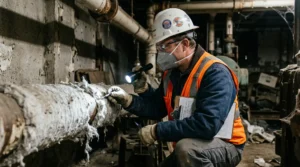
Even with stricter regulations, asbestos exposure continues to affect certain groups more than others.
Workers in the following industries may still face higher risks:
- Construction and demolition
- Shipbuilding and repair
- Industrial manufacturing
- Firefighting and emergency response
Secondary exposure is also a concern. Family members of workers may come into contact with asbestos fibers carried home on clothing or equipment.
These indirect exposure cases have been linked to mesothelioma diagnoses in individuals who never worked directly with asbestos.
What This Means for Mesothelioma Victims
For individuals diagnosed with mesothelioma, the new asbestos ban does not change the fact that exposure likely occurred years or even decades ago.
Mesothelioma has a long latency period, often developing 20 to 50 years after exposure. As a result, new diagnoses continue to emerge even as regulations improve.
Victims may still have the ability to pursue legal claims based on past exposure.
Legal Rights After Asbestos Exposure
Individuals affected by asbestos exposure may have several legal options available, depending on the circumstances of their case.
These may include:
- Personal injury claims related to occupational exposure
- Wrongful death claims filed by family members
- Claims against asbestos trust funds established by bankrupt companies
These cases are typically based on factors such as negligence, failure to warn, or unsafe working conditions.
 How the New Laws May Affect Legal Claims
The updated asbestos regulations may influence future lawsuits in several ways.
First, they reinforce the established understanding that asbestos exposure poses serious health risks. This may strengthen claims related to employer responsibility and product safety.
Second, the regulations may highlight the timeline of exposure, especially for individuals diagnosed after the ban takes effect.
Third, ongoing exposure during the phase-out period may lead to additional claims in the future.
Will There Be a Full Asbestos Ban
There have been ongoing efforts to pass broader legislation that would fully ban all forms of asbestos in the United States.
One example is the Alan Reinstein Ban Asbestos Now Act, which aims to eliminate asbestos use without exceptions.
While this legislation has gained attention, it has not yet been fully enacted into law.
Until a complete ban is implemented, gaps in protection may remain.
What Victims Should Understand Moving Forward
The new asbestos ban represents progress in reducing future exposure. However, it does not eliminate the risks associated with existing asbestos materials or past exposure.
Individuals diagnosed with mesothelioma or other asbestos-related conditions may still explore legal options related to their exposure history.
Understanding these laws can help clarify how regulatory changes and legal rights intersect.